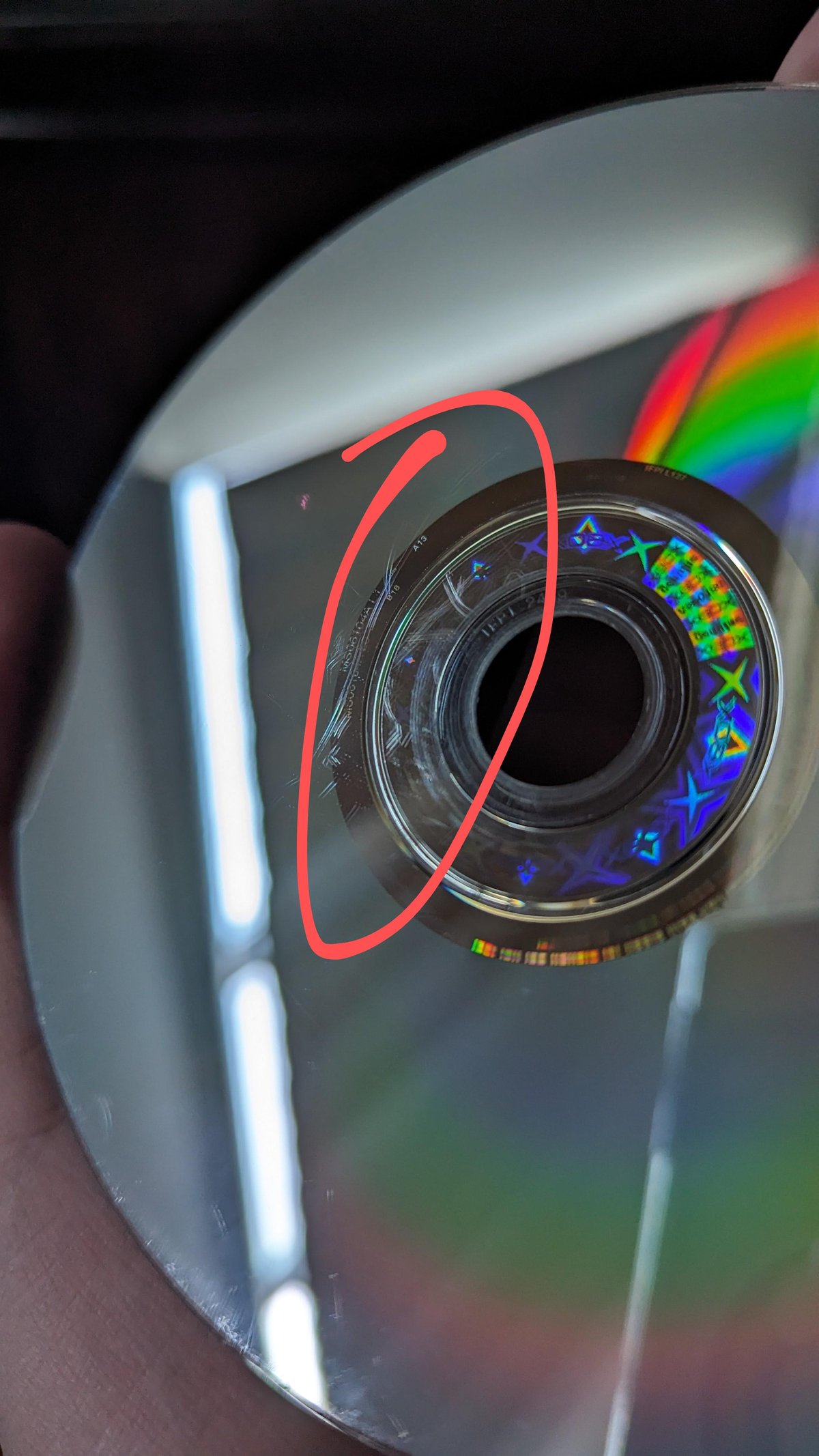
For years, your Xbox has been a portal to incredible gaming worlds, but did you know it’s also a surprisingly capable command center for your entire 4K home theater experience? Whether you’re an old-school disc collector, a streaming devotee, or someone with a carefully curated library on a USB drive, unlocking the full potential of your console to play stunning 4K movies is easier than you think. This guide will walk you through the definitive Xbox 4K movie playback guide, covering every method to get that ultra-high-definition content onto your screen.
At a Glance: Your Xbox and 4K Movies
- Xbox Series X & One S: Both consoles feature an optical drive capable of playing 4K Ultra HD Blu-ray discs.
- Xbox Series S: This all-digital console cannot play physical discs. It excels at streaming 4K content and upscaling games.
- Streaming is Universal: All modern Xbox consoles (Series X, Series S, One S) support 4K streaming from popular apps like Netflix, Disney+, and Apple TV.
- USB Playback: You can play 4K video files from a USB drive on any Xbox model using the free Media Player app.
- The Right TV & Cable: A 4K TV and a Certified Premium High Speed HDMI cable are non-negotiable for true 4K enjoyment.
- Dolby Vision: Primarily available for streaming apps on Xbox Series X|S and planned for Xbox One S, but not for Blu-ray discs.
Unpacking 4K on Your Xbox: Know Your Console
Before diving into playback methods, it's crucial to understand what your specific Xbox model brings to the 4K party. Each console has distinct strengths and limitations, especially when it comes to physical media.
The Disc-Worthy Powerhouse: Xbox Series X
If you own an Xbox Series X, you've got the most versatile console for 4K entertainment. It's not just a gaming beast; it's a full-fledged Ultra HD Blu-ray player.
- Physical Disc Playback: The Series X includes an optical drive, allowing you to pop in 4K Ultra HD Blu-ray discs, standard Blu-rays, and even DVDs. This is fantastic news for film buffs who value the superior picture and sound quality of physical media over streaming.
- Gaming & Media: While it primarily targets 4K gaming, its media capabilities are equally robust, supporting HDR (High Dynamic Range) and Dolby Atmos for immersive audio.
- Dolby Vision for Streaming: For supported streaming apps, the Series X can leverage Dolby Vision, offering an even more refined HDR experience with dynamic metadata. Just remember, this typically applies to streaming, not disc playback.
The Digital Streamer: Xbox Series S
The Xbox Series S is a sleek, all-digital console built for the streaming generation. It's incredibly capable but comes with one key limitation for physical media.
- No Optical Drive: This is the most important point: the Series S cannot play physical game discs, Blu-rays, or DVDs. This means no 4K Ultra HD Blu-ray disc playback, period. It also means external USB disc drives won't work with it.
- 4K Streaming Powerhouse: Despite the lack of a disc drive, the Series S is fully equipped for 4K streaming. You can enjoy your favorite shows and movies from apps like Netflix, Disney+, and HBO Max in glorious 4K UHD.
- Gaming Resolution: While it's designed to render games at 1440p (Quad HD) natively, it brilliantly upscales that content to 4K when connected to a 4K display. It also supports HDR and Dolby Vision for streaming media, along with Dolby Atmos.
The Legacy 4K Pioneer: Xbox One S
Before the Series X and S arrived, the Xbox One S was Microsoft's first foray into 4K-capable consoles. It carved out a significant niche as an affordable 4K Blu-ray player.
- 4K Blu-ray Playback: Yes, the Xbox One S includes a Blu-ray player that handles 4K Ultra HD Blu-ray discs, making it a budget-friendly option for physical media enthusiasts.
- 4K Video Output: It supports 2160p (4K resolution) video output and HDR10.
- Upscaling Magic: The One S can upscale non-4K content (like standard Blu-rays or older games) to 4K when hooked up to a 4K TV, giving everything a crisper look.
- Dolby Vision for Streaming: While HDR10 is standard, Dolby Vision support for streaming apps was planned via an update, aligning it with the newer consoles for certain streaming experiences. Crucially, like the Series X, Dolby Vision is not supported for Blu-ray playback on the Xbox One S.
Method 1: Popping In a 4K Ultra HD Blu-ray Disc (Series X & One S)
For many cinephiles, physical 4K Blu-rays offer the purest, highest-fidelity way to experience movies. No compression artifacts from streaming, just pristine video and audio. If you own an Xbox Series X or Xbox One S, you're in luck.
What You'll Need
- Compatible Xbox Console: Xbox Series X or Xbox One S.
- 4K Ultra HD Blu-ray Disc: Look for the "Ultra HD Blu-ray" logo on the disc packaging.
- 4K TV: A television capable of displaying 3840x2160 resolution.
- Certified Premium High Speed HDMI Cable: The cable included with your Xbox Series X is ideal. Otherwise, ensure it's a certified premium cable to handle the bandwidth required for 4K HDR.
- The Free Blu-ray Player App: This is essential! Your Xbox won't play discs without it.
Setting Up Your Xbox for Disc Playback
Before you pop in that disc, ensure your console and TV are talking to each other correctly in 4K.
- Connect Directly: Plug your Xbox directly into your 4K TV's HDMI input. Avoid routing through AV receivers or soundbars that might not support 4K passthrough, as this can sometimes cause handshake issues.
- Download the Blu-ray Player App:
- Go to the Xbox Store.
- Search for "Blu-ray Player."
- Download and install the free app. It's a small download, but critical for disc recognition.
- Verify 4K Output on Your Xbox:
- Press the Xbox button on your controller to open the guide.
- Go to
Profile & system > Settings > General > TV & display options. - Under
Video fidelity & overscan, ensureAuto-detect (Recommended)is selected for theTV connection. Manually selecting HDMI or DVI can sometimes prevent 4K options from appearing. - Select
Resolutionand choose4K UHD. - To confirm everything looks good, go to
4K TV detailswithin theTV & display optionsmenu. Here, your Xbox will tell you exactly what 4K and HDR features your TV supports. Green checkmarks are what you want to see!
Step-by-Step 4K Blu-ray Playback
With everything configured, playing your disc is straightforward:
- Insert your 4K Ultra HD Blu-ray disc into the Xbox's optical drive.
- The Xbox will automatically detect the disc and either launch the Blu-ray Player app or prompt you to do so.
- Enjoy your movie in stunning 4K HDR!
Pitfalls to Avoid
- Wrong Console: Trying to play a 4K Blu-ray on an Xbox Series S is impossible due to the lack of an optical drive.
- HDMI Cable Issues: An older or non-certified HDMI cable might not have the bandwidth for 4K HDR, resulting in a black screen, flickering, or a downgraded picture.
- Receiver/Soundbar Incompatibility: If your audio equipment isn't 4K HDR passthrough compatible, connect your Xbox directly to the TV and use the TV's audio return channel (ARC) or optical out to send audio to your sound system.
- Missing Blu-ray App: Without this free app, your Xbox simply won't recognize or play the disc.
Method 2: Streaming 4K Content Like a Pro (All Consoles)
For convenience and vast libraries, 4K streaming is king. All modern Xbox consoles — Series X, Series S, and Xbox One S — are excellent 4K streaming devices.
The Power of Streaming Apps
Your Xbox console can access a wealth of 4K content from nearly every major streaming service. Think of it as a super-powered smart TV box.
- Netflix, Disney+, Apple TV+, Prime Video, HBO Max, YouTube: These and many more offer extensive 4K UHD libraries, often with HDR10 or Dolby Vision support.
- App Store Access: Simply download your preferred streaming apps from the Xbox Store. Most are free to download, though subscriptions are required for premium content.
Ensuring Your Setup is Stream-Ready
Beyond the Xbox itself, a few other components are critical for a seamless 4K streaming experience.
- 4K TV: Essential for displaying 4K content. Ensure your TV is set to its 4K resolution and, if supported, has HDR enabled in its picture settings.
- Fast Internet Connection: 4K streaming requires significant bandwidth. A stable internet connection of at least 25 Mbps is generally recommended for reliable 4K UHD streaming, with higher speeds always better.
- App Subscriptions: Make sure your streaming service subscriptions include 4K UHD content (some tiers are HD-only).
- Updated Apps: Keep your streaming apps updated on your Xbox to ensure optimal performance and access to the latest features, including Dolby Vision.
Activating 4K Streaming on Your Xbox
Your console will usually auto-detect your TV's capabilities, but it's always good to double-check.
- Access Display Settings: Press the Xbox button on your controller.
- Navigate to
Profile & system > Settings > General > TV & display options. - Confirm Resolution: Ensure
Resolutionis set to4K UHD. If it's not an option, verify your TV connection is set toAuto-detect (Recommended)underVideo fidelity & overscan. - Check 4K TV Details: Select
4K TV detailsto see a summary of your TV's 4K and HDR capabilities. If something isn't checked that you expect to be, there might be a cable or TV setting issue.
Dolby Vision for Streaming: A Game Changer
Xbox Series X|S supports Dolby Vision for compatible streaming media apps. Dolby Vision is an advanced form of HDR that uses dynamic metadata, meaning the brightness, contrast, and color information are optimized scene-by-scene or even frame-by-frame. This can result in a more lifelike and impactful picture compared to standard HDR10, which uses static metadata for the entire movie.
- How to Use It: If your TV supports Dolby Vision and you're watching content from a streaming app (e.g., Netflix, Disney+) that offers Dolby Vision, your Xbox will automatically switch to this mode. You'll often see a notification on your TV.
- Availability: While widespread for streaming on Series X|S, its availability on Xbox One S depends on app updates and TV compatibility. Remember, Dolby Vision is not for Blu-ray playback on any Xbox console.
Method 3: Playing 4K Movies from a USB Drive (All Consoles)
What if your 4K content isn't on a disc or a streaming service? Maybe you have personal videos or legally acquired digital files. Your Xbox can also serve as a media player for files stored on a USB drive. This method works across all modern Xbox consoles: Series X, Series S, and Xbox One S.
The What and Why
- Local Files: Ideal for playing video files that you own, whether they're home movies, short films, or digital copies of movies you've purchased.
- No Internet Required: Once the files are on your USB drive, you don't need an internet connection to play them, which is great for travel or unreliable Wi-Fi.
- Media Player App: The key to this method is the free "Media Player" app from the Xbox Store.
Preparing Your USB Drive
Proper preparation ensures your Xbox can read your files.
- USB Drive: Any standard USB 3.0 or newer drive will work well. For 4K files, larger capacities are recommended.
- Formatting:
- FAT32: Widely compatible, but has a 4GB file size limit, which is often too small for 4K movies.
- NTFS: The best choice for larger 4K video files, as it supports file sizes well over 4GB. Most Windows PCs default to NTFS.
- exFAT: Also a good option for larger files and cross-platform compatibility (Windows/Mac).
- To format: Insert your USB drive into a PC. Right-click the drive in File Explorer, select "Format," and choose NTFS or exFAT as the file system.
- File Types: The Xbox Media Player app supports a good range of video formats, including:
- MP4 (H.264, H.265/HEVC): Very common and usually well-supported for 4K.
- MKV (H.264, H.265/HEVC): Also a popular container for high-quality video, often used for 4K.
- Ensure your 4K video files use compatible codecs (H.265/HEVC is standard for 4K). Uncommon or highly specialized codecs might not play.
Using the Media Player App on Xbox
- Download Media Player: If you haven't already, go to the Xbox Store, search for "Media Player," and download the free app.
- Insert USB Drive: Plug your prepared USB drive into any available USB port on your Xbox console.
- Launch Media Player: Open the Media Player app from your Xbox dashboard or guide.
- Browse and Play: The app will detect your USB drive. Navigate through your folders, select your 4K movie file, and press A to play.
Important Considerations
- Codec Support: While the Media Player app supports common codecs, it's not universal. If a 4K file isn't playing, it might be due to an unsupported codec or audio track.
- Performance: Larger 4K files with high bitrates can sometimes strain slower USB drives or cause minor stuttering if the console is also doing other tasks.
- External Hard Drives: If you have many 4K files, consider using an externally powered USB hard drive for better reliability and storage capacity.
- Dolby Vision/Atmos Support (Limited): While the Media Player app can handle HDR10, support for advanced features like Dolby Vision or specific Dolby Atmos audio tracks from local files might be limited or require specific encoding. Always test a sample file if these are critical for you.
Optimizing Your 4K Experience: Beyond the Basics
Getting 4K content to play is one thing; making it look and sound its absolute best is another. Here are some pro tips to elevate your viewing.
The Right HDMI Cable Makes All the Difference
Don't underestimate the humble HDMI cable. For 4K HDR, especially at higher refresh rates, a standard HDMI cable might not cut it.
- Certified Premium High Speed HDMI Cable: These cables are certified to handle the bandwidth (up to 18 Gbps) required for 4K UHD at 60Hz, HDR, and wider color gamuts. The cable included with your Xbox Series X is one such example.
- Ultra High Speed HDMI Cable (HDMI 2.1): For future-proofing or if you're pushing for 4K 120Hz gaming, an HDMI 2.1 cable (rated for 48 Gbps) is necessary. While not strictly required for most 4K movie playback, it's a good investment.
- Avoid Generic Cables: Cheap, uncertified cables can lead to signal degradation, flickering, or a complete loss of signal when trying to display high-bandwidth 4K content.
Calibrating Your 4K TV
Your TV's factory settings are rarely optimal. A little calibration can go a long way.
- Xbox TV Calibration Tool: Your Xbox has a built-in calibration tool:
Settings > General > TV & display options > Calibrate TV. Use this to get a good baseline for brightness, contrast, and color. - HDR Settings: Most 4K TVs have separate picture settings for HDR content. Ensure your TV's HDMI input is set to "Enhanced" or "UHD Deep Color" mode to accept the full 4K HDR signal from your Xbox.
- Picture Modes: Experiment with your TV's picture modes (e.g., "Cinema," "Movie," "Filmmaker Mode") as these are often more color-accurate than "Vivid" or "Dynamic" modes.
Understanding HDR vs. 4K: Why You Want Both
These terms are often conflated, but they're distinct and complementary.
- 4K (Resolution): This refers to the number of pixels on the screen (3840x2160 pixels, or about 8.3 million). More pixels mean finer details and sharper images.
- HDR (High Dynamic Range): This refers to the range of colors and contrast. HDR content has brighter whites, deeper blacks, and a wider spectrum of colors than standard dynamic range (SDR). This results in a more vibrant, lifelike, and impactful image.
- The Synergy: While 4K gives you added definition, HDR provides improved color reproduction and contrast. Together, they create a much more immersive and visually stunning experience than either technology alone.
Deciphering 2160p vs. True 4K: The Resolution Reality
You'll often hear "4K" and "UHD" (Ultra High Definition) used interchangeably, but there's a subtle distinction.
- 2160p (UHD): This is the common consumer standard for 4K, with a resolution of 3840x2160 pixels. This is what your Xbox and 4K TVs display.
- True 4K (DCI 4K): This is a cinema standard, with a slightly wider resolution of 4096x2160 pixels.
- The Bottom Line: When your Xbox refers to 4K, it means 2160p or UHD. It's the standard for home entertainment, and for all intents and purposes, it's the 4K you're after. Don't worry about the minor pixel difference; your Xbox and TV are optimized for UHD.
Why Your 4K Isn't Kicking In: Troubleshooting Common Issues
- No 4K Option: Check your HDMI cable. Ensure it's plugged directly into a 4K-compatible HDMI port on your TV. Verify your TV's input settings are set to allow 4K/HDR (e.g., "Enhanced HDMI").
- Flickering/Black Screen: This almost always points to an HDMI cable issue or a faulty HDMI port on your TV or Xbox. Try a different, certified cable.
- "Your TV Doesn't Support 4K": Even with a 4K TV, ensure your Xbox's display settings are on "Auto-detect (Recommended)" and that you've selected
4K UHDfor the resolution. Sometimes, if the TV firmware is outdated, it might not properly communicate its capabilities. - No HDR: Check
4K TV detailson your Xbox. If HDR isn't checked, confirm your TV's HDR settings are enabled for the specific HDMI input your Xbox is connected to. Also, ensure the content you're playing actually is HDR. - Internet Speed: For streaming, if you're getting lower quality, run an internet speed test on your Xbox (or a connected device). If it's below 25 Mbps, consider upgrading your internet or reducing simultaneous network usage.
Frequently Asked Questions About 4K on Xbox
Can Xbox Series S play 4K Blu-ray discs?
No, the Xbox Series S is an all-digital console and does not have an optical disc drive. Therefore, it cannot play any physical discs, including 4K Blu-ray discs, standard Blu-rays, or DVDs.
Does Dolby Vision work for Blu-rays on Xbox Series X or One S?
No, Dolby Vision is currently only supported for streaming media apps (like Netflix, Disney+, Apple TV+) on Xbox Series X|S (and planned for Xbox One S). It is not supported for playback of 4K Ultra HD Blu-ray discs on either the Xbox Series X or Xbox One S. Blu-ray discs will play in HDR10 if available.
What internet speed do I need for reliable 4K streaming on Xbox?
For a consistent 4K streaming experience, most services recommend a stable internet connection of at least 25 Mbps. However, for optimal performance and to avoid buffering, especially with multiple devices streaming, higher speeds (e.g., 50-100 Mbps) are always beneficial.
Is it worth upgrading to a 4K TV just for my Xbox?
If you own an Xbox Series X or Xbox One S and want to watch 4K Blu-rays, or if you plan to stream a lot of 4K content on any Xbox console, then yes, upgrading to a 4K TV is absolutely worth it. The difference in clarity, detail, and especially with HDR, is significant compared to 1080p. Mid-range 4K HDR TVs offer excellent value, typically ranging from $500 to $1,500.
Can I use an external Blu-ray drive with my Xbox Series S to play discs?
No, the Xbox Series S does not support external optical drives for playing game discs or movie discs. Its architecture is designed exclusively for digital content.
What's the difference between 1440p and 4K on Xbox?
1440p (Quad HD) has a resolution of 2560x1440 pixels, which is about 3.6 million pixels. 4K UHD (2160p) has a resolution of 3840x2160 pixels, or about 8.3 million pixels. 4K offers roughly four times the pixel count of 1080p and more than double that of 1440p, resulting in a much sharper and more detailed image, especially on larger screens. The Xbox Series S primarily targets 1440p for gaming but upscales to 4K on a 4K display.
Making the Most of Your Xbox as a 4K Entertainment Hub
Your Xbox is far more than just a gaming machine; it's a potent entertainment device capable of delivering stunning 4K visuals across various media. By understanding your console's specific capabilities, setting up your display correctly, and choosing the right playback method, you can unlock a truly immersive home theater experience.
Whether you're queueing up the latest blockbuster on a 4K Blu-ray, binging a new series in Dolby Vision via a streaming app, or enjoying your personal video library from a USB drive, your Xbox is ready to be the heart of your 4K content consumption. Take the time to fine-tune your settings, invest in a quality HDMI cable, and explore the vast world of 4K entertainment available at your fingertips. Get ready for a visual feast!